


The House Edge Explained
The concept of the house edge is fundamental to understanding how casinos generate profit. The house edge represents the mathematical advantage that the casino holds over the player in various games. For example, games like roulette and blackjack have specific odds that favor the house due to rules and game structure, while others, such as payid pokies , introduce different dynamics that can affect players’ strategies and experiences. Even seemingly skill-based games, like poker, have underlying mechanics that ensure the casino benefits over time, highlighting the inherent risk for players.
The percentage of the house edge varies across different games. Slot machines can have a house edge ranging from 2% to 15%, while table games like baccarat or poker may have lower edges but still maintain a favorable position for the casino. This means that while individual players can experience short-term wins, the statistical reality is that the casino will profit as the number of bets increases. Thus, players may feel optimistic after a win, but the odds are always structured to favor the house in the long run.
Clever marketing often distracts players from this reality. Many casinos offer promotions, bonuses, and loyalty programs that can give players the illusion of winning more than they actually are. However, it’s crucial to remember that these perks are calculated into the overall profit strategy of the casino. By creating an environment that encourages prolonged play, casinos can capitalize on the house edge, ensuring sustainable profitability while players remain unaware of the long-term odds stacked against them.
The Role of Game Design
Game design plays a crucial role in a casino’s profitability strategy, incorporating psychological principles to keep players engaged. From vibrant visuals to immersive sounds, each element is meticulously crafted to create an enticing atmosphere. Game designers utilize behavioral psychology to encourage players to spend more time and money. This includes features like frequent small wins that provide players with a sense of success, all while ensuring the casino maintains control over the outcome.
Controlling the pace at which games are played also enhances profitability. For example, slot machines often have a faster pace than table games, encouraging players to wager more within a shorter timeframe. Moreover, game layouts and interfaces are designed to minimize the cognitive load on players, allowing them to focus on excitement rather than the actual odds. Such strategies lead players to make decisions driven by emotion rather than clear understanding, thereby increasing the likelihood of them losing money over time.

Furthermore, innovation in game design has allowed casinos to diversify their offerings. The emergence of skill-based games has attracted a younger demographic, who may perceive these games as more favorable to players. However, even these games incorporate an underlying house edge. The design of such games keeps players engaged and encourages repeated play, ultimately contributing to the casino’s revenue stream. This blend of innovative design and traditional gaming ensures that casinos remain profitable in a competitive entertainment landscape.
The Impact of Comps and Loyalty Programs
Complimentary rewards, commonly referred to as «comps,» are a powerful tool used by casinos to entice players to return. These perks can include free meals, hotel stays, or exclusive event access. The psychology behind comps plays a significant role in the casino’s profitability strategy. By offering these incentives, casinos cultivate a sense of loyalty among players, ensuring that they return, even after experiencing losses. This loyalty is essential for maintaining a steady flow of revenue.
Moreover, loyalty programs are designed to reward frequent players, incorporating incentive tiers that can lead to higher spending. Players who feel valued and recognized for their loyalty are more likely to wager larger amounts, thus increasing the casino’s revenue. This cycle of reward and play creates an environment where the potential for loss is overshadowed by the tangible benefits presented through these programs, keeping players engaged and returning for more, often at their own expense.
However, it’s important for players to remain aware of the long-term implications associated with engaging in comps and loyalty rewards. While they can seem beneficial, these programs are carefully designed to ensure that the casino maintains a profit margin. Players should evaluate the overall odds and remember that the house edge remains a constant factor, even when taking advantage of complimentary offerings. Understanding this dynamic is crucial for making informed decisions while playing at casinos, ensuring that enjoyment does not come at an unsustainable cost.
The Influence of Location and Atmosphere
The physical location and atmosphere of a casino dramatically influence its profitability. Casinos located in high-traffic tourist areas tend to thrive due to the influx of visitors seeking entertainment. Furthermore, the interior design plays a crucial role in how players interact with the space. Bright lights, captivating sounds, and a lively atmosphere create an immersive experience where players often lose track of time and their money, leading to increased spending.
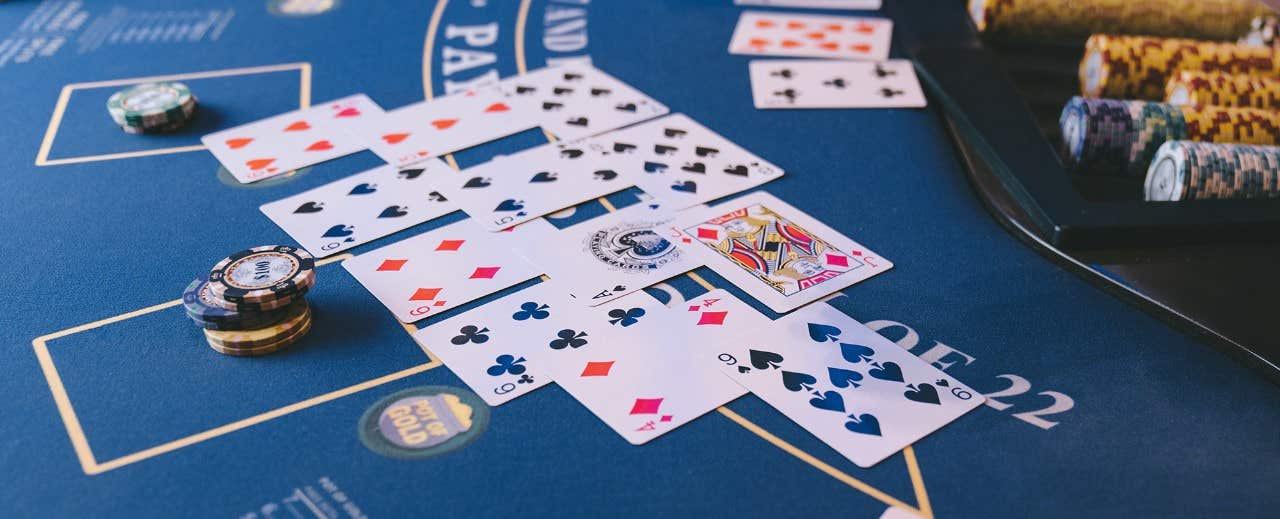
A strategic layout is intentionally crafted to encourage players to navigate through various gaming options, often leading them back to slots or tables after a loss. This design philosophy is deliberate; the more players walk around, the more likely they are to make impulsive betting decisions. The absence of clocks and windows in most casinos contributes to this phenomenon, fostering an environment where players become engrossed in the gaming experience, often forgetting their initial spending limits and time constraints.
Additionally, the social aspect of casino gambling cannot be overlooked. Many players enjoy the camaraderie that comes with sharing gaming experiences with others. This social interaction fosters a sense of community and can lead players to engage in riskier behaviors, significantly increasing their expenditure. Hence, the careful crafting of both the physical and social environments within casinos is not just about aesthetics; it is also about enhancing profitability through strategic manipulation of consumer behavior to encourage spending.
Understanding the Casino Business Model
The casino business model is fundamentally built on maximizing the amount of money wagered within its premises. The profitability of casinos can often be traced back to three main facets: game selection, customer retention strategies, and efficient operational management. By strategically selecting games that have a sizable house edge and high player appeal, casinos can ensure a consistent influx of revenue, catering to a wide variety of player preferences.
Moreover, effective customer retention strategies, as seen with the aforementioned comps and loyalty programs, serve to maintain an ongoing relationship with players. Casinos invest significantly in marketing and customer service to build a loyal customer base, recognizing that retaining existing customers is less expensive than attracting new ones. The key lies in creating a fulfilling experience that encourages repeated visits, regardless of the outcome of individual games, effectively intertwining customer satisfaction and profitability.
Operational management also plays a pivotal role in ensuring profitability. From staffing to security, casinos invest in efficient processes that minimize losses and enhance player satisfaction. This includes everything from monitoring games for fairness to ensuring that the gaming floor is clean and inviting. All aspects of casino operations are geared towards maximizing profit while maintaining a level of customer service that keeps patrons returning for more. Understanding this business model thoroughly can provide deeper insights into how this exciting entertainment industry thrives and continues to prosper in a competitive market.